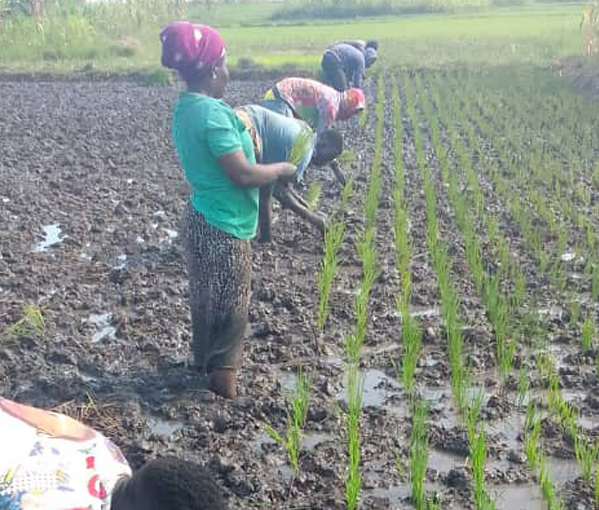
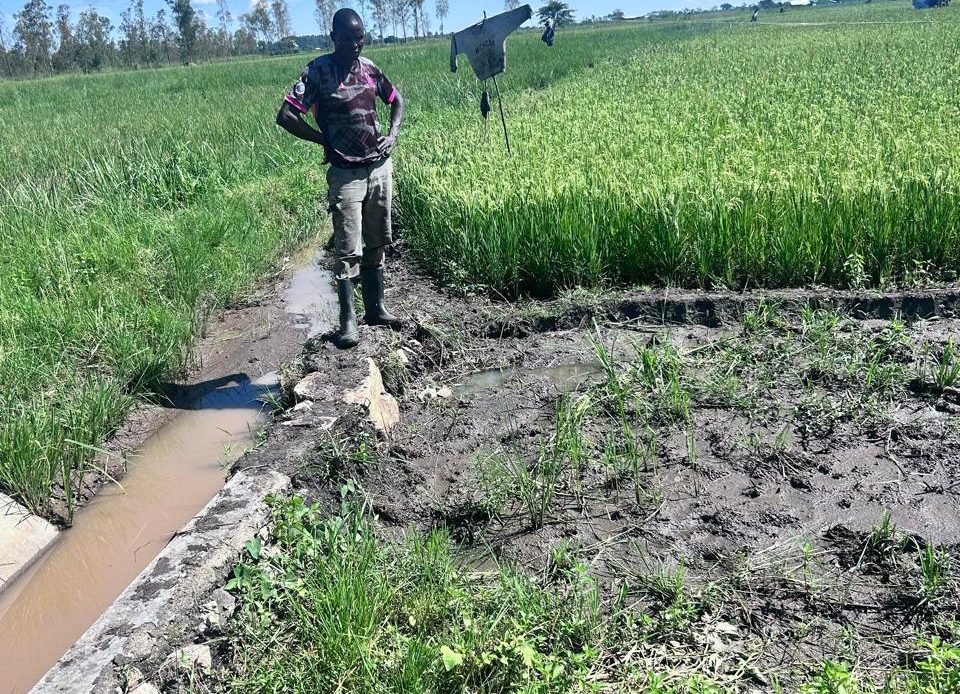
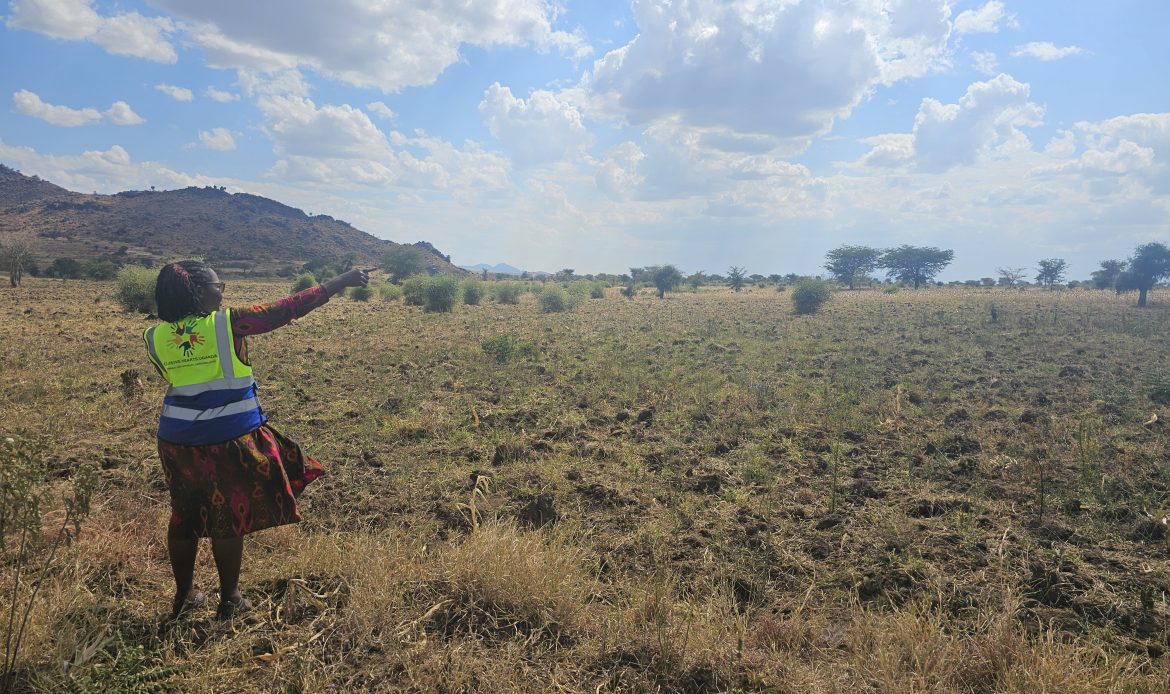
Climate shocks such as floods and drought hit hardest those already left behind, especially persons with disabilities, women, older people and youth, who often have the least access to climate information and farming support.
We work directly with women, persons with disabilities, their caregivers and disability networks to close this gap. We share weather, seasonal and climate information in accessible formats such as sign language, audio, local languages and simple visuals, so everyone can plan their planting and protect their harvests.
We also build the confidence and voice of persons with disabilities in climate action. We train disability networks and youth with disabilities to share climate knowledge within their communities, and support them to take part in local planning so their needs shape the programmes meant to serve them.
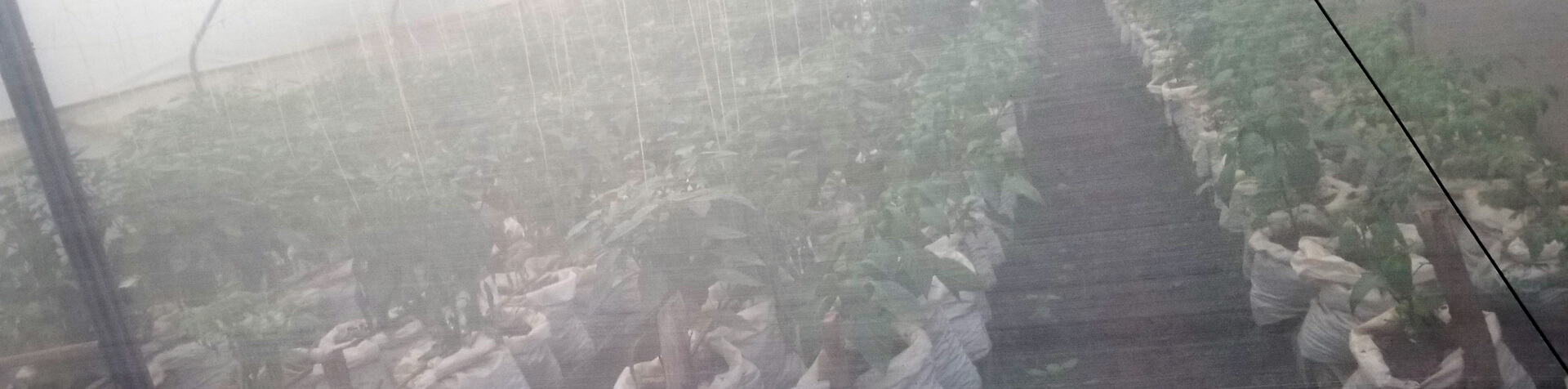
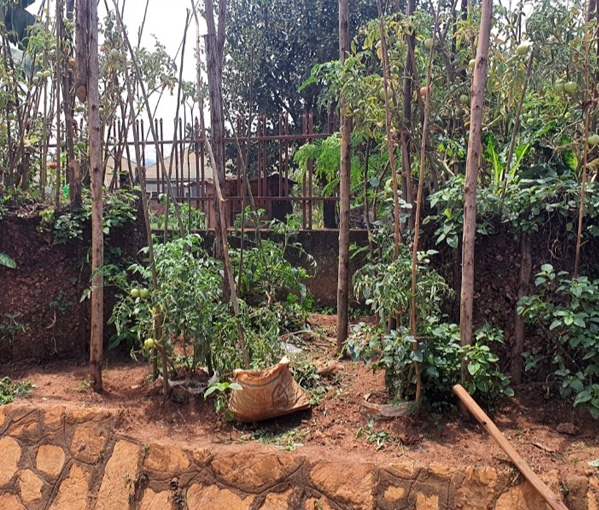
Resilience begins at home. We promote kitchen farming technologies such as sack, keyhole and vertical gardens, tyre beds, and low-cost drip irrigation with rainwater harvesting. These turn even the smallest compounds into year-round food sources. Because they need little land or water and rebuild soil through composting, families can keep producing through dry spells. This program suits women, older people and persons with disabilities. The result is nutritious food, lower household costs and surplus for sale, a vital buffer when climate shocks strike.