img

INCLUSIVE HEARTS

Embracing Diversity, Enriching Lives

Pillar 1: Climate Resilience & Sustainable Food Systems

Image
Image

Pillar 1: Climate Resilience & Sustainable Food Systems

IHU supports households, farmers, enterprises, communities and institutions to strengthen their capacity to respond to climate change, livelihood shocks and changing food-system conditions. We promote climate-smart agriculture, sustainable food production, climate adaptation, livelihood diversification and resilience programming that strengthen food security, productivity, income generation and environmental sustainability. Our approach recognizes that climate vulnerability affects people differently. We therefore promote inclusive and locally appropriate solutions that enable women, youth, persons with disabilities, smallholder farmers and vulnerable households to participate in and benefit from resilient food systems.

Our Key Interventions

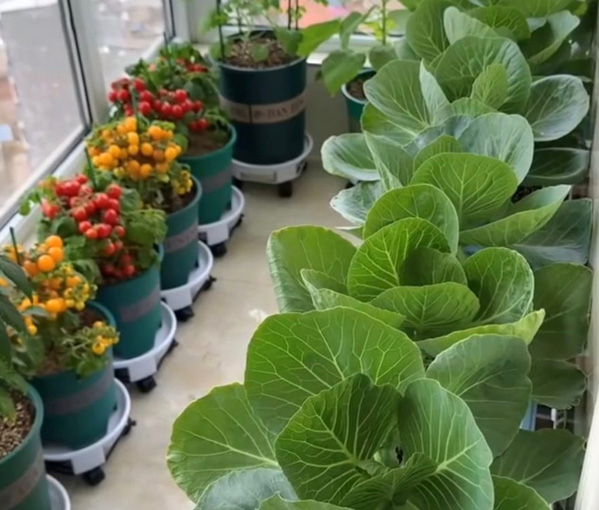
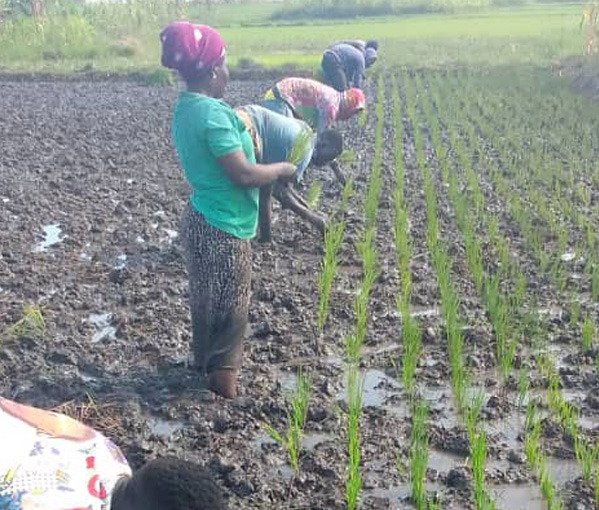
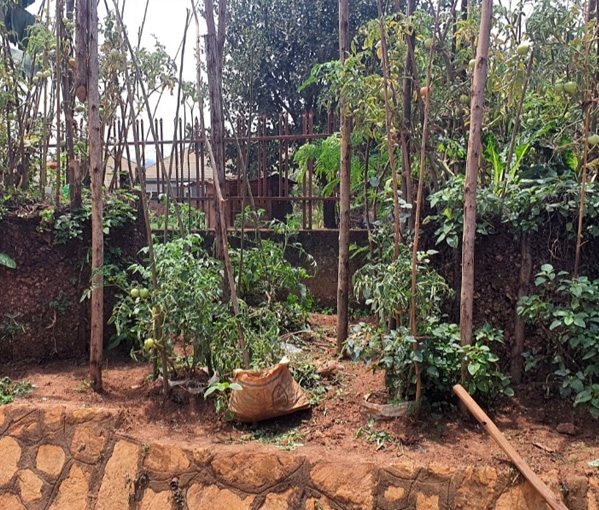
Climate-Smart, Regenerative & Sustainable Agriculture: Promote climate-resilient and regenerative farming practices that improve soil health, productivity, biodiversity and long-term resilience while protecting natural resources.

Sustainable Food Systems & Resilient Enterprises: Strengthen food systems, farmers and agribusinesses to improve food security, livelihoods and resilience to climate and market shocks.

Climate Adaptation & Disaster Risk Reduction: Support communities, enterprises and institutions to assess climate risks, plan adaptation measures and strengthen preparedness for shocks.

Livelihood Diversification & Inclusive Resilience: Expand climate-resilient livelihood opportunities for women, youth, persons with disabilities and vulnerable households.

Community Capacity Strengthening: Build local knowledge, skills and systems to plan, implement and sustain climate-resilient livelihood and food-system solutions.

Our Intended Results

Through this pillar, IHU aims to contribute to:
- Increased resilience of households, communities and enterprises to climate-related shocks.
- Improved food and livelihood security. Increased adoption of climate-smart and sustainable agricultural practices.
- Stronger and more resilient local food systems. Improved adaptive capacity among farmers, enterprises and community institutions.
- More diversified and sustainable livelihood opportunities.
- Increased participation of women, youth and persons with disabilities in climate-resilient agriculture and food systems. Improved environmental sustainability within agricultural and livelihood systems.